
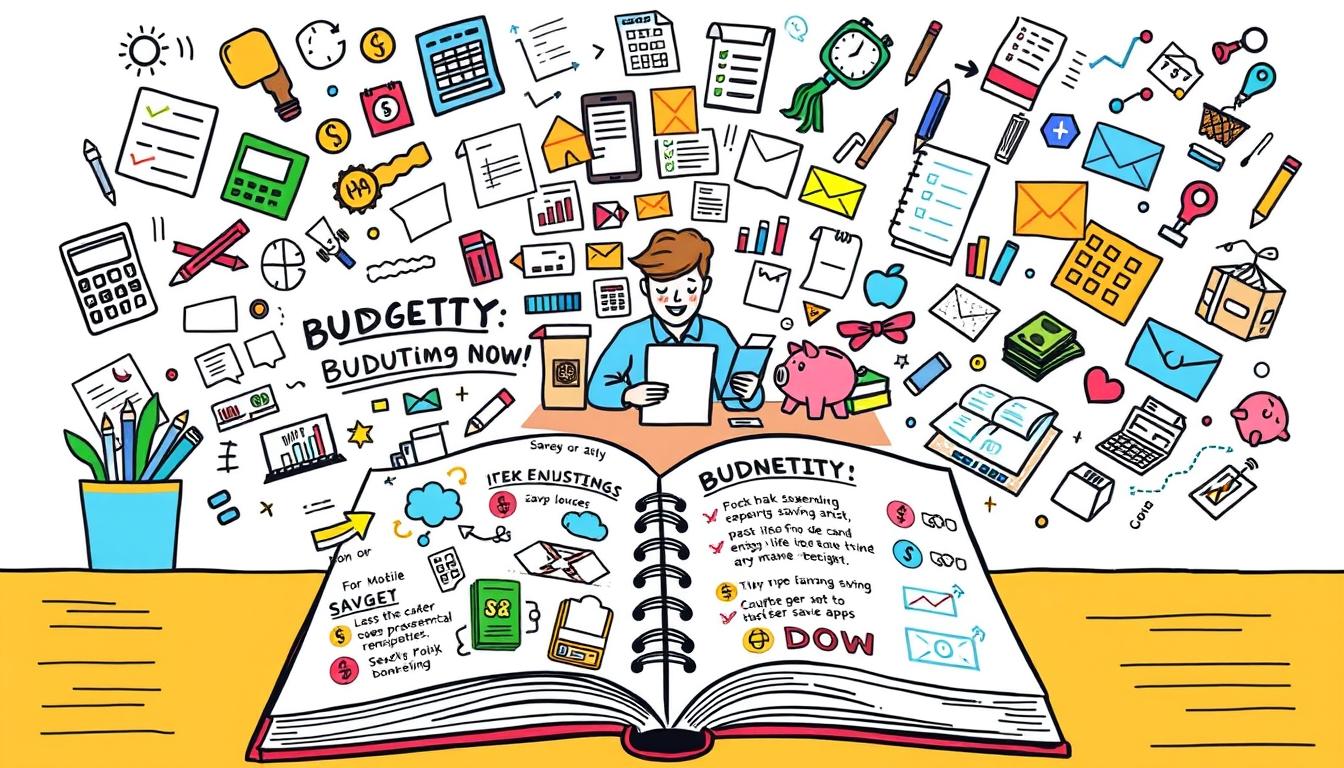
These days, saving money is super important. Many people find they save less than 20% of their income. This article will share cool ways to manage your money better and save more.
Key Takeaways:
- Creating a detailed budget is the foundation of effective budgeting methods.
- Automating savings can simplify the process of saving money.
- Tracking and reviewing spending regularly helps in identifying areas for improvement.
- Setting specific savings goals keeps you motivated and focused.
- Using budgeting tools and apps can simplify budget planning.
Create and Stick to a Detailed Budget
Making and following a detailed budget is key to smart money planning. Using good money tips helps match your spending with what’s important to you. It’s crucial to make a budget plan that directs how you use your money.
The 50/30/20 Rule
The 50/30/20 rule is an easy way to think about your money. It splits your income into three parts:
- Needs: Things like your home, food, and bills should take up half of what you earn.
- Wants: Use 30% of your money for fun stuff like eating out and hobbies.
- Savings: Save or pay off debt with the last 20%.
The Envelope System
The envelope method is another great way to manage money. You use cash for different spending areas and put it in envelopes. Seeing and touching the cash stops you from spending too much. Both the envelope way and the 50/30/20 rule are great for handling your finances.
Automate Your Savings
Smart saving ways are key to meeting your money goals. By using automation, saving becomes easier. You put money away without thinking of spending it. Here are steps to do that and use your money well.
Set Up Automatic Transfers
Automating savings with automatic transfers is easy. You move part of your money to savings regularly. It makes saving simple and steady. Automatic transfers help you avoid too much thinking and save time every month.
Direct Deposit to Savings Accounts
Direct deposit savings is another good plan. You can split your paycheck into different accounts. Sending money straight to a high-yield savings account grows your savings fast. These accounts give you more back with about 3-4% APY interest.
Using both direct deposit savings and automatic transfers is smart. It makes handling money easier and helps you build good habits. These ways keep you saving, pay bills on time, and avoid extra fees. They get you closer to your money goals.
Track and Review Your Spending Regularly
It’s key to track your spending well to understand your habits. There are many tools you can use to help you keep an eye on your money. These tools are great for those just starting to budget.
Looking at how you spend regularly helps you spot and cut unnecessary costs. Consistent checks make sure your budget matches your financial dreams. This not only cuts down on extra spending but also shows real living costs.
Begin by writing down what you spend each day. Put these into groups like food, fun, and bills. This makes it easier to see where you can save money. Using apps or spreadsheets helps track your spending better and gives updates.
Keeping an eye on your spending often helps you focus on what’s important and stop buying on a whim. Remember, budgeting is about learning to watch and decide wisely. Regularly checking your spending with good budgeting can improve your money health. It also helps you save more.
Set Specific Savings Goals
It’s important to set clear savings goals for good money management. This means having a clear plan. This plan guides you to reach your money goals. These goals could be for a new car, a house, or an emergency fund. Having clear goals helps you focus your saving. It also keeps you motivated and gives your saving a clear purpose.
Long-term Goals
Long-term goals might be for retirement, buying a house, or a kid’s college fund. These big goals need careful planning and commitment. Making a plan for these goals means setting specific amounts and deadlines.
It’s also key to check on your plan regularly. This helps you adjust if your money situation or goals change. Staying on track with your long-term dreams is crucial.
Short-term Goals
Short-term goals are for things you want sooner, like a vacation or an emergency fund. Setting these goals helps you enjoy quick wins. This makes you want to save even more.
You can use automatic transfers or special savings accounts to meet these goals. This makes it easier to focus and hit your near-term targets.
Utilize Budgeting Tools and Apps
Today, it’s super easy to handle your money because of many budgeting tools and apps. These apps help you watch your spending, keep a budget, and save money. By using tech, you make managing money simpler and learn more about how you spend.
Popular Budgeting Apps
Mint, You Need a Budget (YNAB), and PocketGuard are very popular. They link to your bank accounts, let you track spending as it happens, and help you budget. Mint sorts your spending and warns you to keep on budget. YNAB helps you plan every penny you earn. PocketGuard shows where you can save by looking at what you have left after paying bills.
Using Spreadsheets Effectively
Some folks like using spreadsheets like Microsoft Excel or Google Sheets. They let you make a budget that fits just right. Spreadsheets are great for keeping track of money coming in and going out. They show spending habits and where you can do better. When you mix spreadsheets with other apps, you get a full picture of your finances.
| Budgeting Tool | Key Features |
|---|---|
| Mint | Real-time expense tracking, budget alerts |
| YNAB | Proactive budgeting, goal setting |
| PocketGuard | Disposable income insights, bill tracking |
| Google Sheets | Customizable, detailed tracking |
Implement Smart Shopping Strategies
Smart shopping helps you save money and get more value. Use loyalty programs, coupons, and the 30-day rule to cut costs. This way, you’ll spend less and avoid impulse buying.
Using Loyalty Programs and Coupons
Being part of loyalty programs from stores like Target and Walmart gives you special discounts and cashback. Adding coupons makes you save even more. This smart mix makes shopping cheaper and controls spending.
For example, understanding the advantages:
| Retailer | Loyalty Program | Benefits |
|---|---|---|
| Walmart | Walmart+ Membership | Free shipping, fuel discounts |
| Target | Target Circle | Exclusive deals, 1% back on purchases |
| Kroger | Kroger Plus | Digital coupons, fuel points |
The 30-Day Rule for Major Purchases
The 30-day rule stops you from buying things on a whim. Wait 30 days before buying big items. It helps you think over if you really need the item, leading to smarter spending. Following this rule builds savings and teaches you to shop wiser.
These smart shopping strategies make spending money more thoughtful. They keep your finances healthy and give you peace of mind.
Lower Monthly Bills
Managing your budget means you need to lower your bills. By checking and talking about your monthly costs, you can save a lot. One way to save is to look at your utility bills. You might find ways to save. Maybe use appliances that use less energy or get better deals from your providers.
Think about your subscription services too. Are there any you don’t use anymore? Stopping or lowering these services can cut your bills. Also, putting together services like internet, cable, and phone might save you more.
| Service | Current Monthly Cost | Potential Savings |
|---|---|---|
| Electricity | $120 | $20-$30 |
| Internet | $80 | $10-$15 |
| Streaming Subscriptions | $50 | $10-$20 |
Using these ways to save helps you cut costs every month. This means you keep more money for yourself. Always check your spending and find chances to save on utility bills and other costs.
Reduce Debt to Save on Interest
Managing debt well is super important for keeping your money in check. When debt grows, it takes away money that you could save or use elsewhere. To stop this, we need a solid plan to handle debt and keep our future financially secure. Let’s look at ways to do just that.
Pay Off High-Interest Debt First
First things first, pay off the expensive debts. Credit cards and personal loans often have big interest rates. These can cost a lot if they’re not paid off fast. By focusing on these first, you save money on interest. This also makes your payments work harder for you.
Consider Refinancing Options
Refinancing can really help with debt. It might lower interest rates on loans you already have. This could be for your house or school loans. With refinancing, you pay less each month and less in total interest. This means you have more money for saving goals or other needs.
| Strategy | Benefit |
|---|---|
| Pay Off High-Interest Debt First | Minimize the amount of interest paid over time |
| Consider Refinancing | Secure lower interest rates and reduce monthly payments |
Optimize Transportation Costs
Smart budgeting tips can really help you save money, especially with transportation. By sharing rides, using buses or trains, and keeping your car in good shape, you can spend less every month.
Carpool or Use Public Transportation
Carpooling is a great way to save. You share fuel costs and your car lasts longer. Also, taking the bus or train can lower your travel costs. It’s also better for the planet. Often, you’ll spend less on a monthly pass for public transport than on gas and car upkeep.
Maintain Your Vehicle for Efficiency
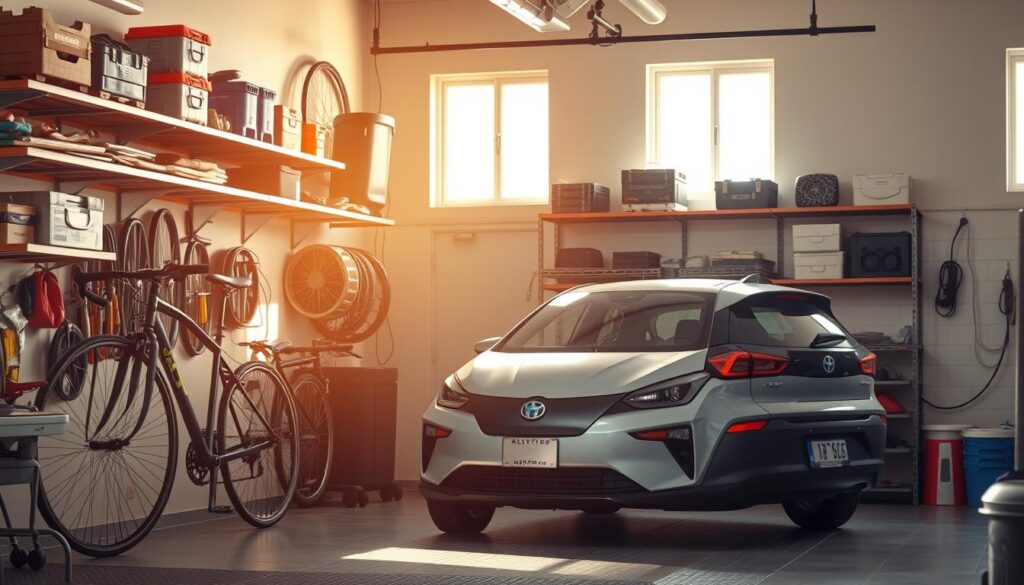
Keeping your car well-maintained saves you money. Regular checks stop big repairs later and help with gas mileage. Just by checking tire pressure, changing oil, and making sure the engine is okay, you save money.
| Transportation Method | Monthly Cost | Annual Savings |
|---|---|---|
| Carpooling | $50 | $600 |
| Public Transport | $70 | $840 |
| Vehicle Maintenance | $30 | $360 |
Using these tips makes cutting transportation costs easy. Sharing rides and caring for your car not only save money but help the Earth. Using buses or trains adds to the savings, making your transportation budget work better for you.
Personal Budgeting Hacks to Save Money on Entertainment
Looking for cheap fun? Check out free and low-cost stuff to do in your area. This can keep your spending low. Plus, it lets you enjoy cool social and cultural things.
Free and Low-Cost Activities
Free activities are a great way to have fun without spending much. Hit up parks for free concerts and movies. Some museums also let people in for free on certain days. Saving money like this means you can do awesome things that usually cost more.
Utilize Community Events
Local events are key to spending less on fun. Enjoy local fairs, festivals, and parades without breaking the bank. Many places have events that are free or don’t cost much. Keep an eye on local event calendars. This way, you’ll never miss out on affordable fun.
Free activities and events are great ways to cut down on what you spend for fun. They help you live a good life while keeping to your budget.
Conclusion
Starting to save money begins with making a good budget. Make a budget plan and follow it closely. Automate your savings. Keep track of what you spend. Set clear money goals. You will do great in managing your money.
Save more by shopping smart and cutting down on monthly costs. Technology can help too. Use budget apps. Lower your debt to save on interest. Try to spend less on getting around. Even small spending cuts can grow your savings big over time.
Stick to these tips to improve your savings. You’ll feel better with more financial security. Good budgeting is the secret to managing money and saving well. Use these ideas to make your money health better. Soon, you’ll reach your money goals.